Summer Preparation Tips for Parents of Children with Autism
Sp
Create a Predictable Routine
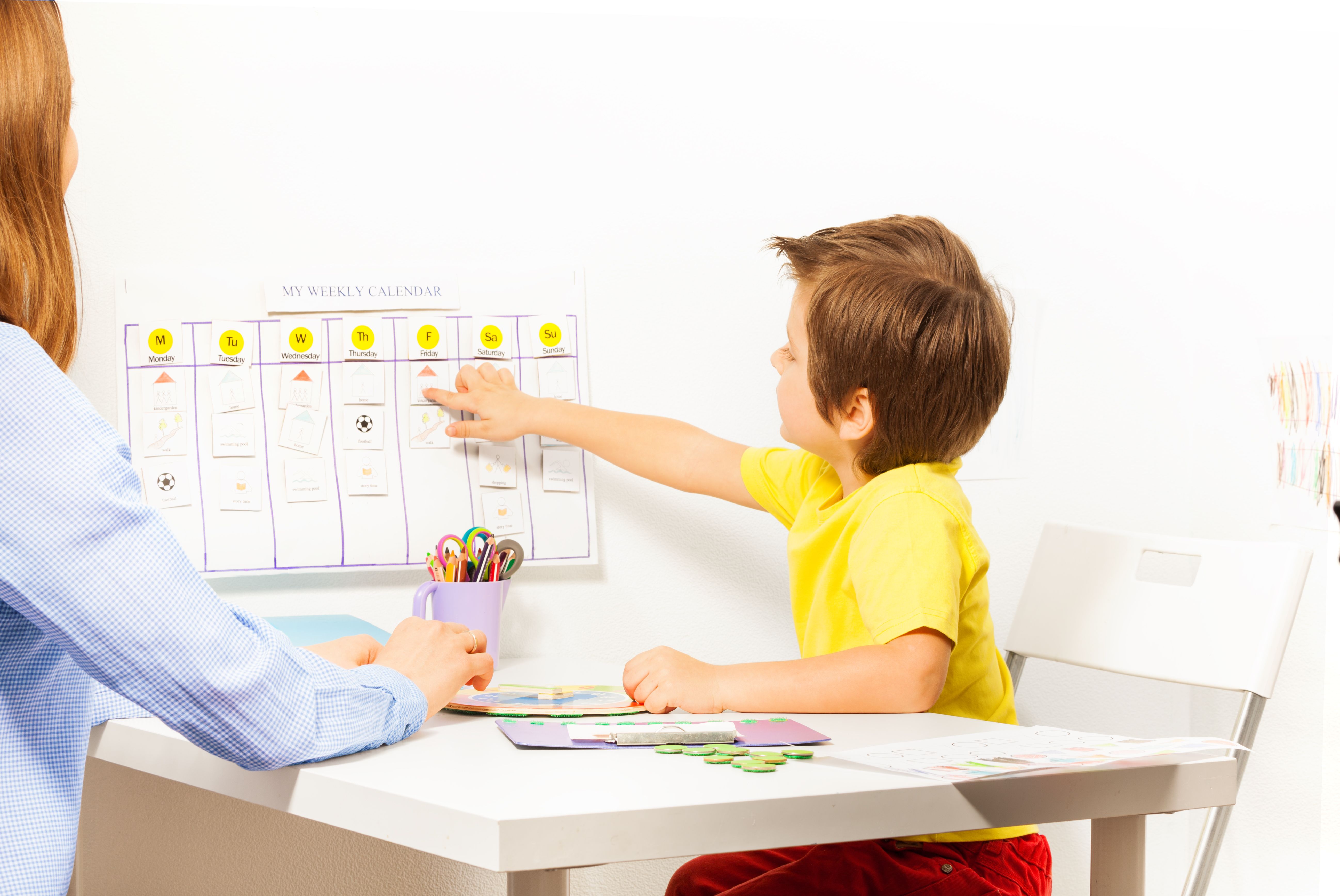
Summer can be a time of great change, which may be challenging for children with autism. To ease this transition, it's essential to establish a predictable routine. Consistency can help reduce anxiety and make your child feel more secure. Create a visual schedule that outlines daily activities, including meals, playtime, and bedtime.
Including your child in the planning process can also be beneficial. Use symbols or pictures to represent activities, and discuss the schedule together. This engagement can help your child understand what to expect each day.
Plan Engaging Activities
Keeping your child engaged with fun and educational activities can make summer enjoyable and productive. Consider incorporating a mix of indoor and outdoor activities, tailored to your child's interests and needs. Options include sensory play, arts and crafts, and nature walks.
Local community centers or autism support groups might offer summer programs specifically designed for children with autism. These can provide opportunities for social interaction and skill development.

Prepare for New Experiences
Summer often brings new experiences, such as vacations or family gatherings. Preparing your child for these changes can help them feel more comfortable. Use social stories to explain what will happen, who they will meet, and what they might see and do.
If possible, visit new locations ahead of time or explore them online. Familiarizing your child with new environments can make them feel more at ease when the actual visit occurs.
Maintain Sensory Comfort
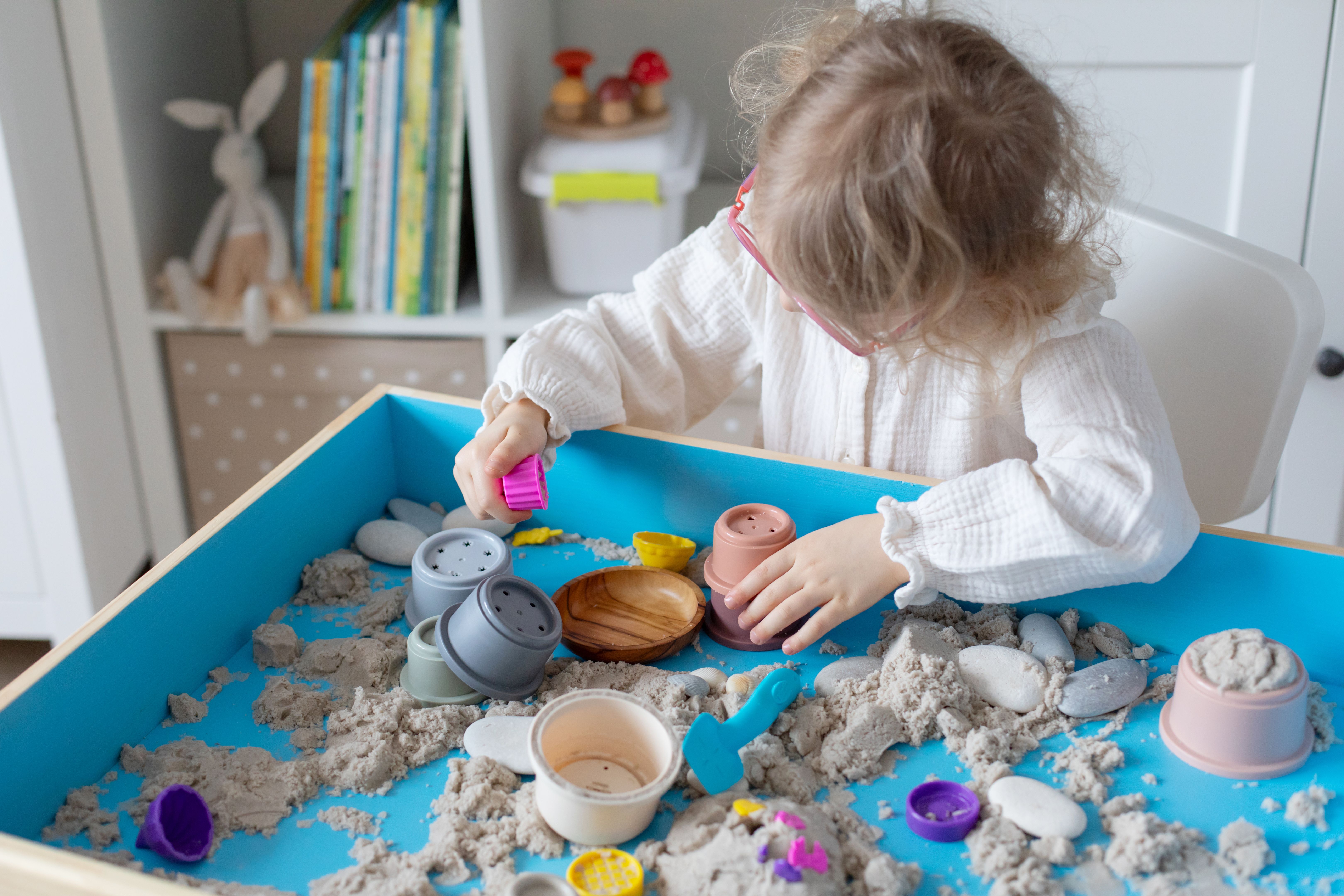
Sensory needs vary widely among children with autism, and summer activities might involve sensory challenges. Be mindful of your child's specific sensitivities, whether they relate to sound, light, or touch.
- Pack noise-cancelling headphones for loud environments.
- Bring sensory-friendly clothing for comfort.
- Include favorite sensory toys or tools in your travel bag.
Communicate with Caregivers and Educators
If your child attends summer camps or programs, clear communication with caregivers and educators is vital. Share important information about your child's preferences, triggers, and effective coping strategies. This ensures that everyone involved is aligned and prepared to support your child effectively.
Regular updates and feedback can also help you adjust plans as needed, providing your child with the best possible experience.
Take Care of Yourself
Summer can be a busy time for parents, too. Remember to take care of yourself, ensuring you have the energy and patience to support your child. Consider reaching out to support groups or networks for parents of children with autism, where you can share experiences and advice.
By preparing and planning thoughtfully, you can create a summer that is enjoyable and fulfilling for both you and your child.